
A tenant moves out, and suddenly a disagreement arises. Was that stain on the carpet already there? Did the scratch on the countertop happen last week or last year? Without proof, these questions turn into arguments, and arguments turn into disputes that cost time, money, and goodwill on both sides.
This is exactly the kind of situation move-in and move-out inspections are designed to prevent. Instead of relying on memory, assumptions, or he-said-she-said, a property inspection creates a factual, time-stamped record of exactly how a property looked before and after a tenancy. Photos, videos, and written notes speak for themselves, leaving little room for confusion or conflict. For property owners in Colorado Springs, this kind of documentation is one of the simplest and most effective tools available, protecting security deposits, avoiding disputes, and keeping a rental in solid condition year after year.
Key Takeaways
Move-in and move-out inspections create objective documentation that protects both owners and tenants from disputes.
Detailed photos, videos, and checklists make it easier to justify security deposit deductions when necessary.
Consistent inspection practices help owners catch maintenance issues before they turn into costly repairs.
Clear documentation builds trust with tenants and supports smoother lease transitions.
Why Documentation Matters From Move-In to Move-Out
A fair rental relationship starts before a tenant moves a box into the unit. A move-in inspection captures the property's exact condition, from the paint on the walls to the function of every appliance. This record becomes the baseline for measuring any future condition report.
Without this baseline, disagreements are almost guaranteed. A tenant might claim a stain on the carpet was already there. An owner might assume a scratch on the countertop happened during the lease. Detailed documentation removes the guesswork and gives both parties something concrete to reference.
This is also why routine upkeep matters so much throughout the tenancy. Addressing small issues early through consistent property upkeep and repairs helps prevent minor wear from turning into major damage claims down the line. A well-maintained property is also easier to inspect accurately, since there are fewer preexisting issues to sort through when a tenant eventually moves out.
What a Thorough Inspection Should Include
A strong move-in or move-out inspection goes beyond a quick walkthrough.
It should include:
Time-stamped photos and video of every room, including closets, cabinets, and appliances
A written checklist covering walls, flooring, fixtures, windows, and safety features like smoke detectors
Notes on the condition of major systems, such as HVAC, plumbing, and electrical components
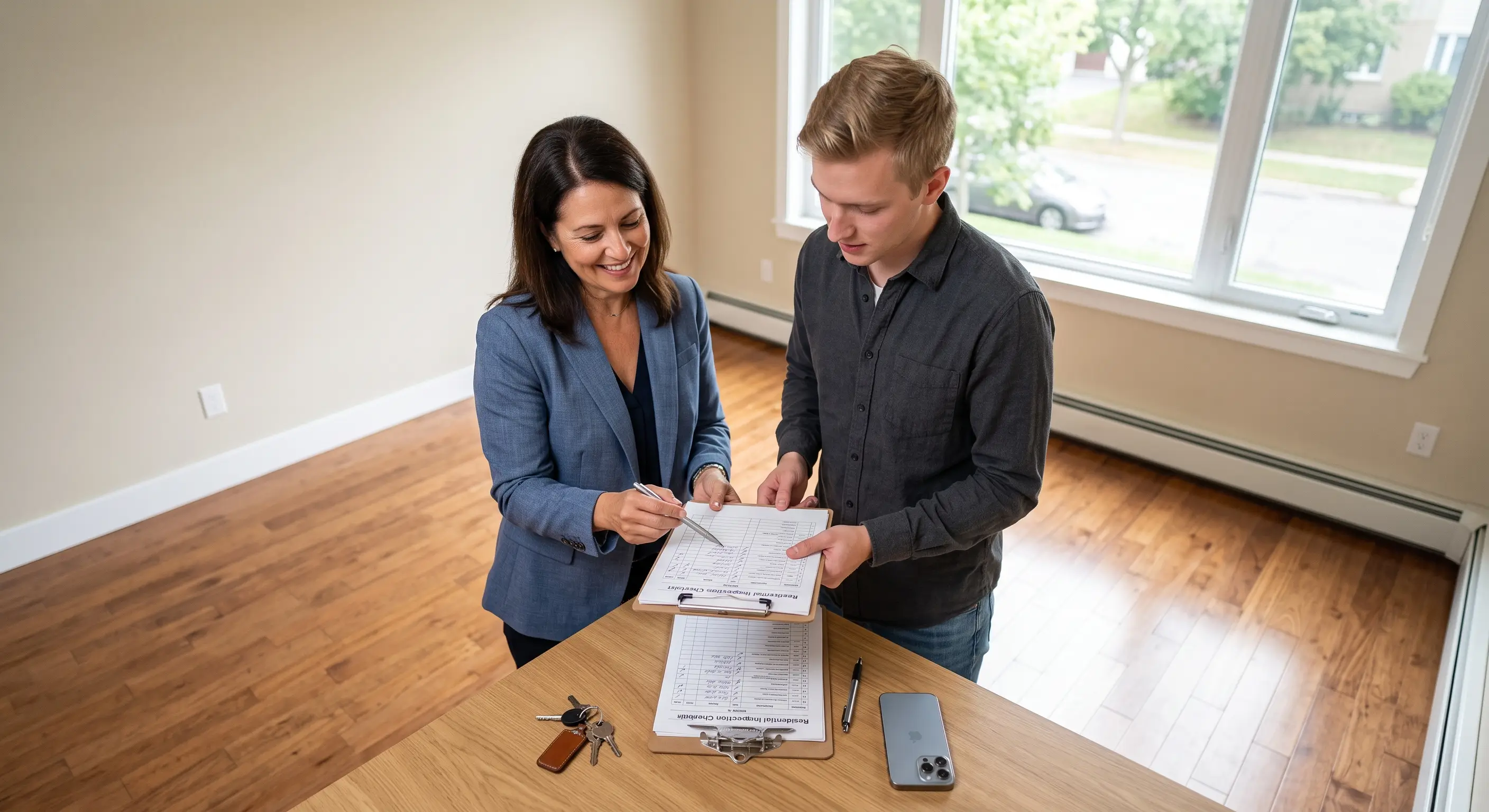
Signatures or acknowledgment from both the property manager and the tenant confirming the report is accurate
The more specific the documentation, the easier it becomes to compare conditions later. Vague notes like "kitchen in good condition" are far less useful than photos showing the exact state of the cabinets, countertops, and flooring on a specific date.
Protecting Security Deposits With Clear Records
One of the most common sources of tension between owners and tenants involves security deposit deductions. Colorado law requires landlords to return security deposits within 30 days after the end of a lease or move-out, unless the lease states a longer period of up to 60 days, and to provide an itemized list of any deductions. Without solid documentation, owners risk disputes that can escalate into complaints or even legal action.
A detailed move-out inspection, compared directly against the move-in report, makes it straightforward to identify what changed during the tenancy. This comparison also supports financial recordkeeping. When deposit deductions are documented and itemized properly, they align with sound financial recordkeeping and reporting, making it easier for owners to track expenses, justify charges, and stay organized for tax purposes.
This consistency protects owners from disputes while giving tenants confidence that deductions are fair and based on evidence, not assumptions.
Reducing Turnover Costs Through Better Inspections
Turnover is one of the biggest expenses a rental property owner faces. Cleaning, repairs, advertising, and vacancy days all add up quickly. Thorough inspections help reduce these costs in a few ways.
First, they identify maintenance needs early, so you can schedule repairs before they become bigger, more expensive problems. Second, they create accountability. When tenants know a detailed inspection will occur at move-in and move-out, they are often more careful with the property throughout their lease. Third, accurate records speed up the turnover process itself, since there is less back and forth trying to determine what needs to be fixed or replaced.
Over time, this approach protects the property's long-term value and gets units rent-ready faster between tenants.
Building Trust With Tenants
Inspections are not just a protective measure for owners. They also help build trust with tenants. When a tenant sees that a property manager takes documentation seriously and applies the same standards consistently, they are more likely to view the relationship as fair.
This trust can lead to longer tenancies, fewer disputes, and better communication overall. Tenants who feel they are being treated fairly are also more likely to report maintenance issues promptly, rather than letting small problems grow into larger ones.
FAQs
1. How often should move-in and move-out inspections be conducted?
At minimum, inspections should happen at the start and end of every tenancy, with some owners adding periodic inspections during longer leases.
2. What happens if a tenant disputes the move-out findings?
Detailed photos, videos, and signed checklists from both inspections give owners strong evidence to support their findings if a disagreement arises.
3. Can inspections help with property maintenance planning?
Yes, inspections often reveal wear and tear or developing issues that you can address proactively before they become costly repairs.
4. Do inspections need to be done in person?
While in-person inspections are common, some property managers supplement them with video walkthroughs to create an even more detailed visual record.
Partner With Action Team Realty for Reliable Property Management in Colorado Springs
Thorough move-in and move-out inspections are one of the most effective ways to protect your investment, minimize disputes, and keep tenants satisfied throughout their lease. Action Team Realty brings a consistent, detail-oriented approach to every inspection, helping Colorado Springs property owners avoid costly surprises and maintain their rentals with confidence.
If you are ready for a property management partner who prioritizes documentation, accountability, and long-term property value, reach out to Action Team Realty today to learn how our team can support your rental property.
